Metaphors Matter
Connecting the unfamiliar with what is already known

Metaphors jolt our mind. They make us awake, They encapsulate complexity into an image our mind grasps quickly. Even at a stroke .We understand something unfamiliar by relating it to something we already know.
1. Entangled
Metaphors here remind us that cities are inextricably interwoven where its hardware, software and organization mesh.
A city is more than a place in space; it is a drama in time.[1]
Cities are alive, dynamic and unfold through events, encounters, activities and memories. They are not static physical objects or geometry alone. Meaning comes in lived experiencesThe city communicates through every fibre of its being.
Streets, buildings, sounds, noises, textures, smells, movement and activity all send signals. The city is a communication system as much as a physical system.Cities are read not only with the eye but with the body.
The sensory and visceral experience of place shapes our perceptions before we consciously begin to name a feeling or to interpret it.Cities are entangled organisms, not engineered devices
Places grow, decay and regenerate by complex interactions not mechanical control.
2. Roots
These metaphors emphasise how culture is our deeper foundation and as its underlying layer it gives our urban life and us identity and continuity.
Culture matters – it is like the air we breathe; it is like a second skin.
It surrounds us and shapes how we perceive the world, often invisibly.Culture is to the city as roots are to a tree.
Roots anchor the tree and draw nourishment from the soil; culture anchors cities and nourishes their identity.Culture helps make sense, generate meaning, and create significance.
Without shared cultural frameworks, places remain physically organised but emotionally empty.Culture is the ink that writes the urban story
Places carry accumulated stories, practices and symbols that connect past and future.
3. Creativity
Here the metaphors emphasise how cities can renew themselves through adaptation, experimentation, and regeneration.
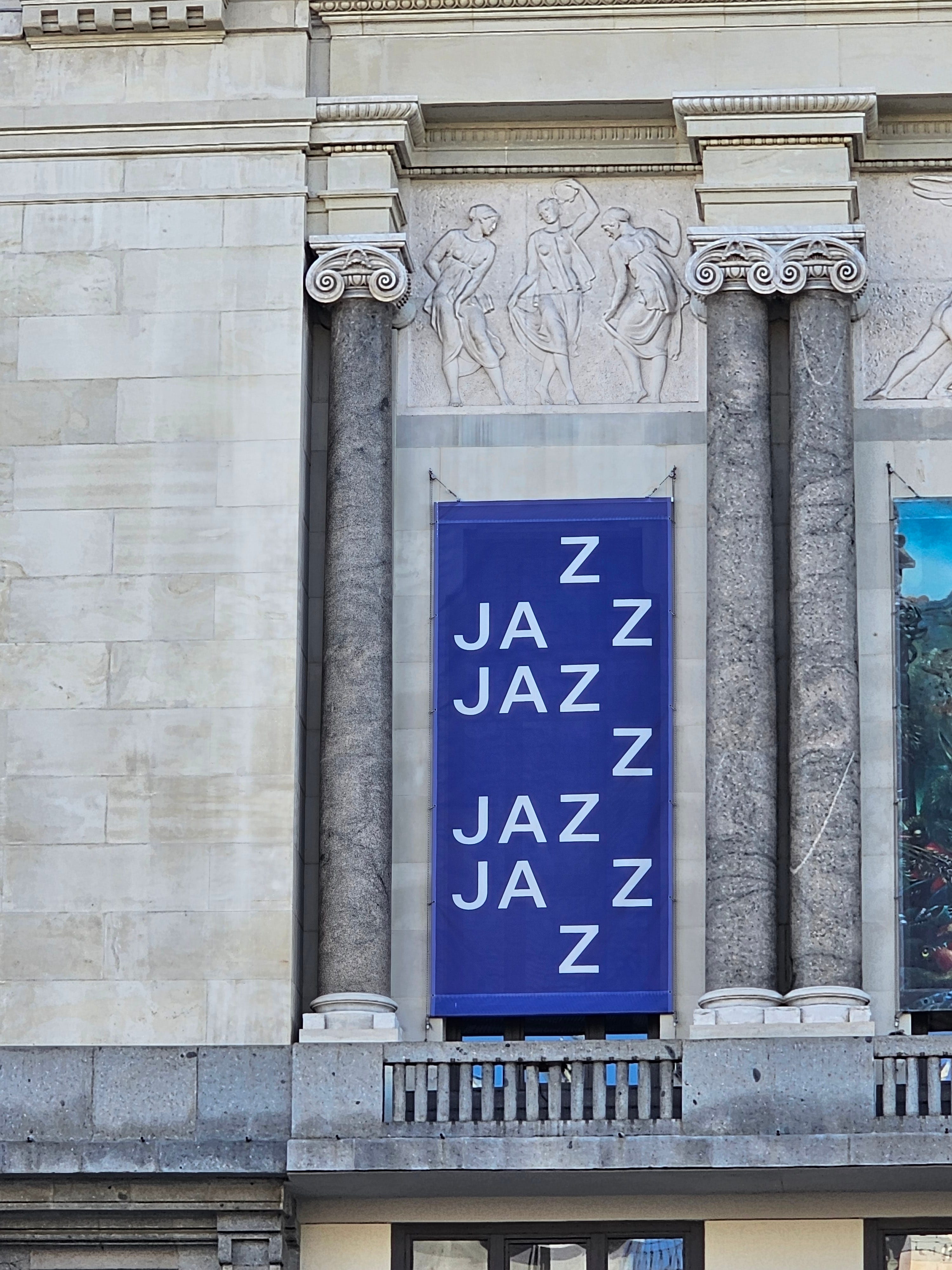
City-making is more like improvised jazz than a well-tempered symphony.
There is structure, but also improvisation, interaction and responsiveness.Creativity is to the city as oxygen is to the air.
Without it, urban life stagnates. Creativity allows cities to adapt to new conditions.Artists are to the city as worms are to the soil.[2]
They aerate the cultural ground, making it fertile for new ideas and possibilities.Creativity a transformative alchemy
This shifts constraints into catalysts and obstacles into openings.
4. Challenges
These metaphors bring the narrative toward institutional culture and decision-making.
Moving from a “no, because” to a “yes, if” culture
Governance shifts from a locked gate to a hinged door not blocking entry, but opening itThe city is more a symphony, than a command centre
We try to bring diverse voices into harmony rather than forcing them into line .Creative bureaucracy a bridge not a barrier
Institutions become platforms that unlock collective imagination.
5. Overarching
These help summarise the entire argument of the book and encapsulates my conviction that ‘culture is who we are and creativity shapes what we can become’.
City-making is the choreography of human possibility.
It brings together space, culture, governance and imagination.Cities are living conversations.
They are continuously negotiated through interaction.Great cities do not simply function; they resonate.
They create emotional, cultural and civic alignment.
[1] Sir Patrick Geddes 1854 -1932 FRSE was a Scottish biologist, sociologist, Comtean positivist, geographer, philanthropist and pioneering town planner.
[2] A Brian Eno saying